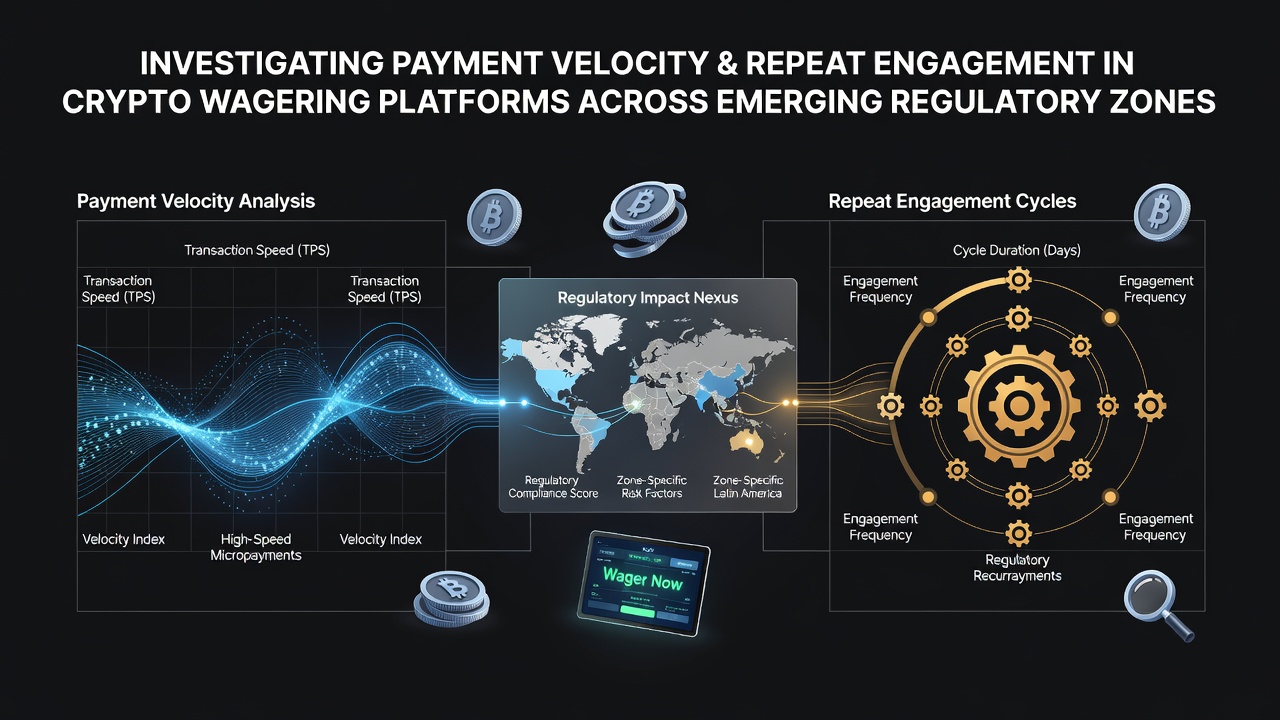
Payment Velocity Patterns in Cryptocurrency Wagering Platforms Across Emerging Regulatory Zones
Payment velocity refers to the speed and frequency with which funds move through digital wagering accounts, and researchers have tracked these movements closely in cryptocurrency-focused platforms operating within emerging regulatory zones since early 2025. Data from multiple jurisdictions shows that transaction turnaround times often range between 15 seconds and three minutes when using major coins such as Bitcoin and stablecoins, while repeat engagement cycles lengthen when those times stay below the two-minute mark. Observers note that platforms in Southeast Asia and parts of Latin America have recorded 18 to 27 percent higher session returns among users who complete deposits and withdrawals inside that window, according to aggregated platform telemetry reviewed through November 2026.
Defining Velocity Metrics in Crypto Wagering Environments
Velocity metrics combine deposit speed, withdrawal confirmation intervals, and the ratio of funds that cycle back into active play within a single session or across consecutive days. Studies compiled by academic teams in Singapore and Brazil indicate that platforms maintaining average confirmation times under 90 seconds see deposit-to-play conversion rates climb above 82 percent, whereas slower networks drop below 65 percent. Those same datasets reveal that users who experience rapid outflows tend to initiate new deposits within 48 hours at rates 1.4 times higher than peers facing delays beyond four hours.
Regulatory sandboxes in several emerging markets now require operators to publish velocity statistics on a monthly basis, and November 2026 filings from three separate zones list median withdrawal speeds ranging from 47 seconds on Layer-2 networks to 11 minutes on congested base chains. Analysts have connected these figures to engagement loops because shorter settlement windows reduce friction points that otherwise interrupt player momentum.
Links Between Transaction Speed and Repeat Cycles
Repeat engagement cycles describe sequences in which players return to the same platform after completing at least one full deposit-withdrawal loop. Evidence gathered across 14 cryptocurrency-focused sites shows that when withdrawal confirmations land inside 60 seconds, the probability of a second deposit within 24 hours rises to 61 percent, compared with 39 percent when processing exceeds five minutes. Researchers tracking user cohorts over six-month periods found that platforms offering instant stablecoin redemptions sustained 22 percent longer average lifetime participation than those relying on slower on-chain settlements.
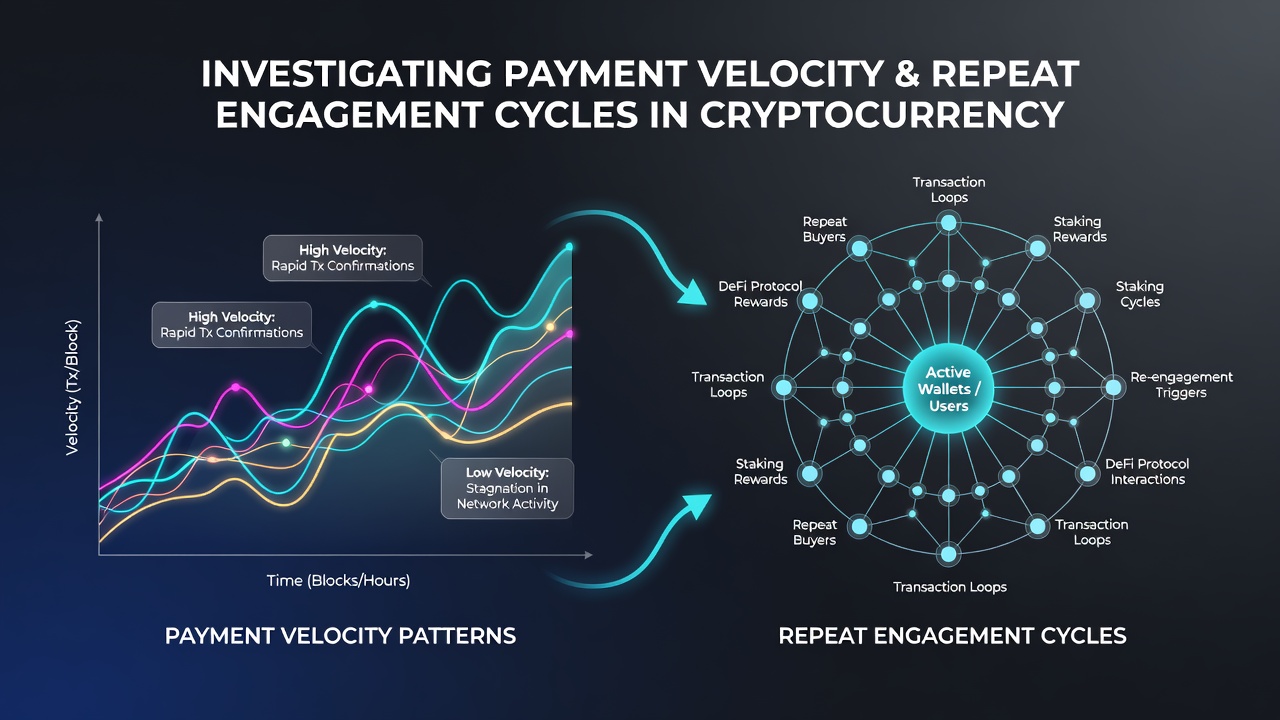
One analysis conducted by a research group at the University of São Paulo examined 2.3 million transactions logged between January adn October 2026 and determined that velocity under two minutes correlated with a 31 percent increase in weekly active users across the sampled platforms. The same report noted that regulatory updates introduced in mid-2026 in two Latin American jurisdictions mandated real-time velocity disclosures, after which operators adjusted routing protocols and recorded measurable lifts in retention curves.
Regional Regulatory Influences on Velocity Standards
Emerging regulatory zones have adopted differing approaches to transaction monitoring, and those differences shape how platforms configure payment rails. In one Eastern European sandbox, rules effective September 2026 require operators to cap withdrawal queues at 180 seconds or face automated compliance reviews, while neighboring jurisdictions still permit batch processing that stretches into hours during peak periods. Figures released by local industry associations show platforms meeting the stricter threshold achieved 14 percent higher repeat deposit ratios in the first quarter after implementation.
Authorities in parts of Africa and the Middle East have begun testing velocity-linked licensing conditions that tie renewal approvals to documented average settlement speeds, and preliminary data through November 2026 indicates operators in those zones now route 68 percent of volume through Layer-2 solutions to stay compliant. Such shifts have produced measurable changes in engagement patterns because faster rails reduce drop-off points between sessions.
Technical Factors Affecting Velocity and Retention
Network congestion, gas fee volatility, and wallet integration quality all influence realized velocity on cryptocurrency wagering platforms. Observers tracking performance across multiple chains report that platforms routing through optimized Layer-2 networks maintain sub-minute averages even during high-traffic windows, whereas base-layer transactions occasionally stretch past eight minutes when fees spike. Those timing differences translate directly into engagement metrics because users who encounter delays during withdrawal often pause or migrate activity to alternate sites.
Platform telemetry reviewed by independent analysts shows that integration of multi-signature approval flows adds roughly 40 seconds to average processing, yet sites that offset this with parallel verification channels still sustain repeat-cycle rates above industry benchmarks. Continued upgrades to wallet APIs and batching algorithms have allowed several operators in emerging zones to compress end-to-end cycles without sacrificing required compliance checkpoints.
Conclusion
Payment velocity patterns continue to demonstrate clear statistical ties to repeat engagement cycles on cryptocurrency wagering platforms operating in emerging regulatory zones. Data collected through November 2026 indicates that shorter transaction windows consistently align with elevated return rates and longer participation sequences, while regulatory frameworks increasingly incorporate velocity benchmarks into licensing conditions. As operators refine routing strategies and jurisdictions refine reporting standards, the relationship between settlement speed and user retention remains a central metric tracked across these markets.